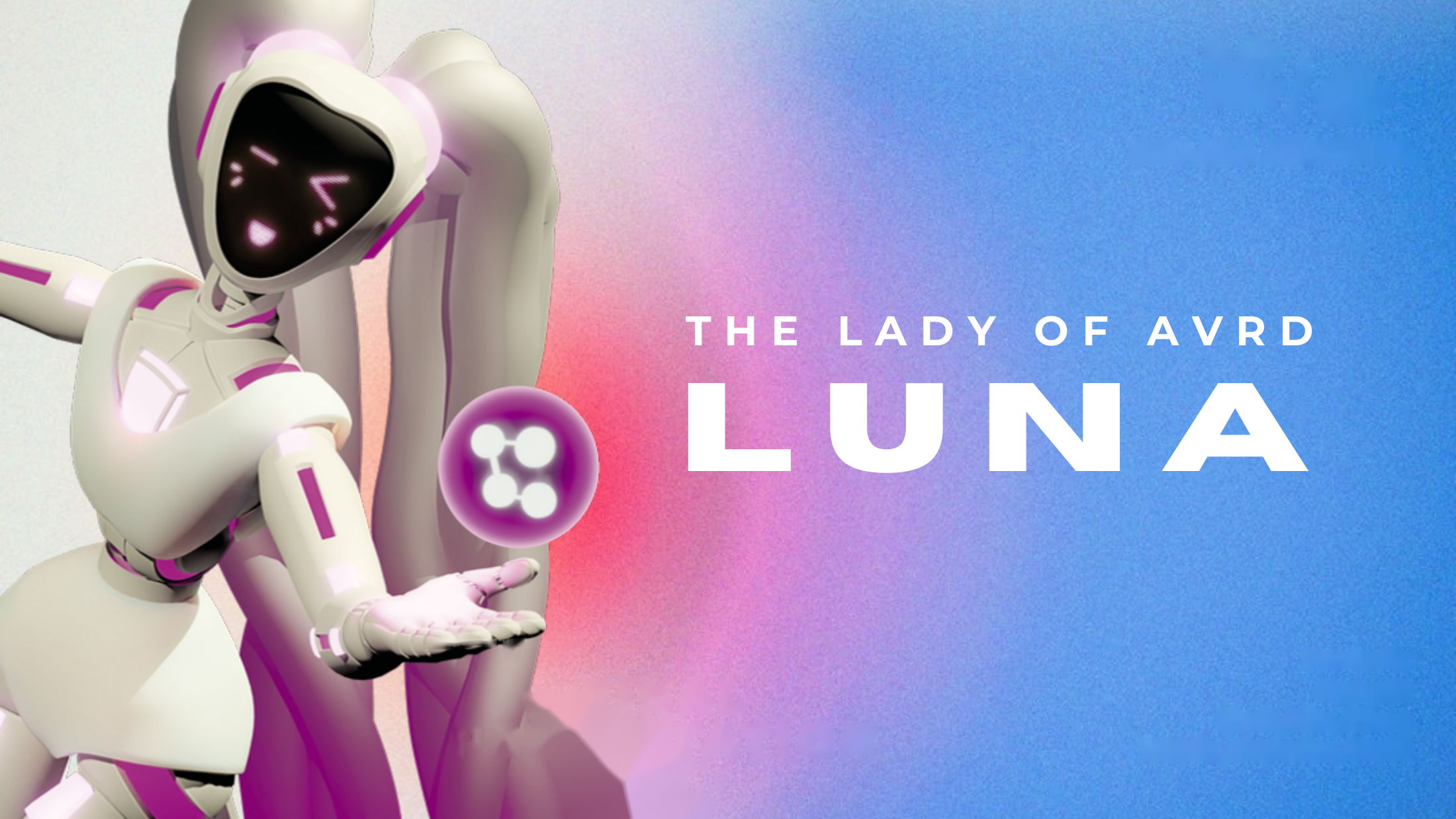
Character presentation for the mixed-reality AI companion
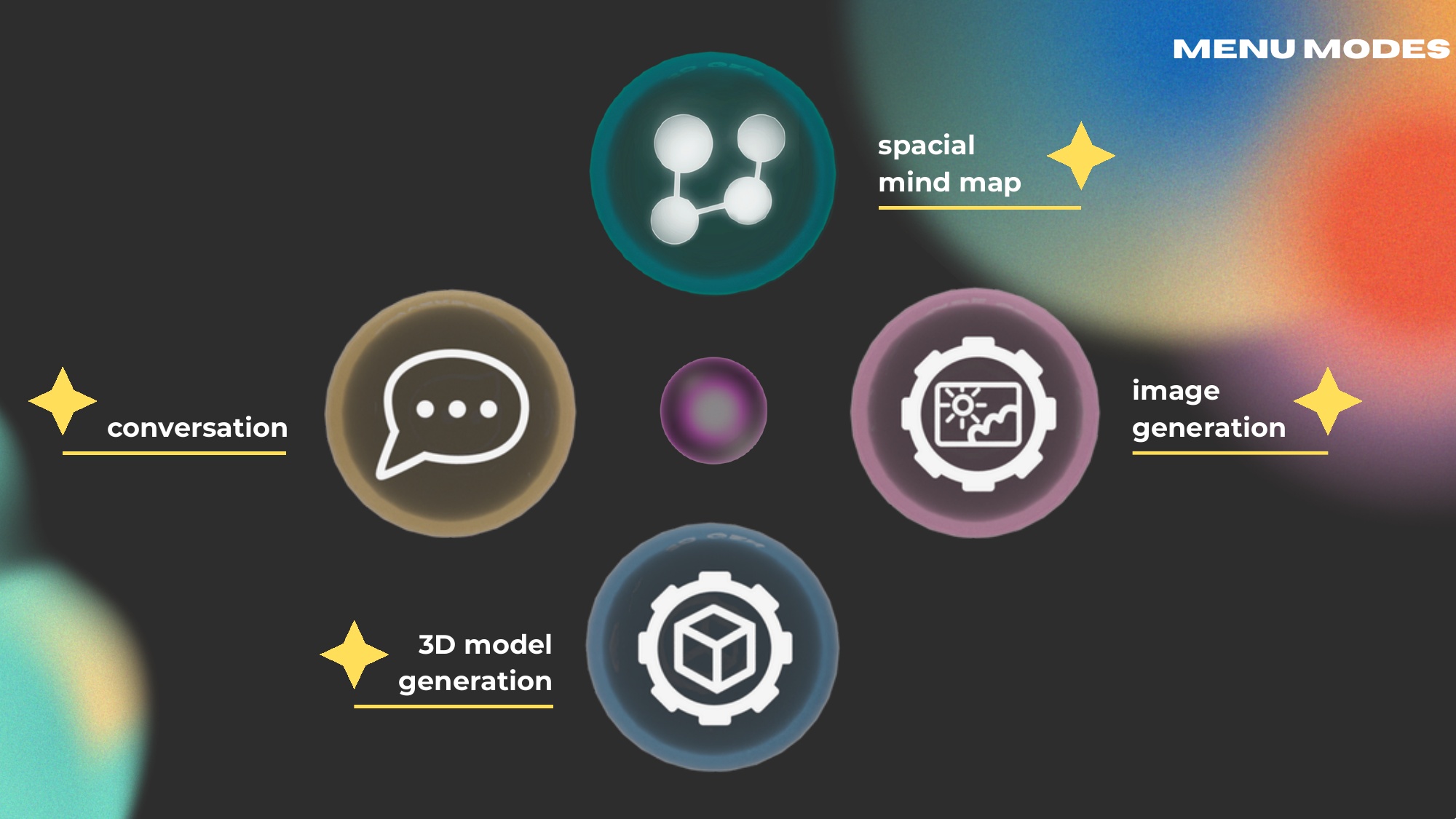
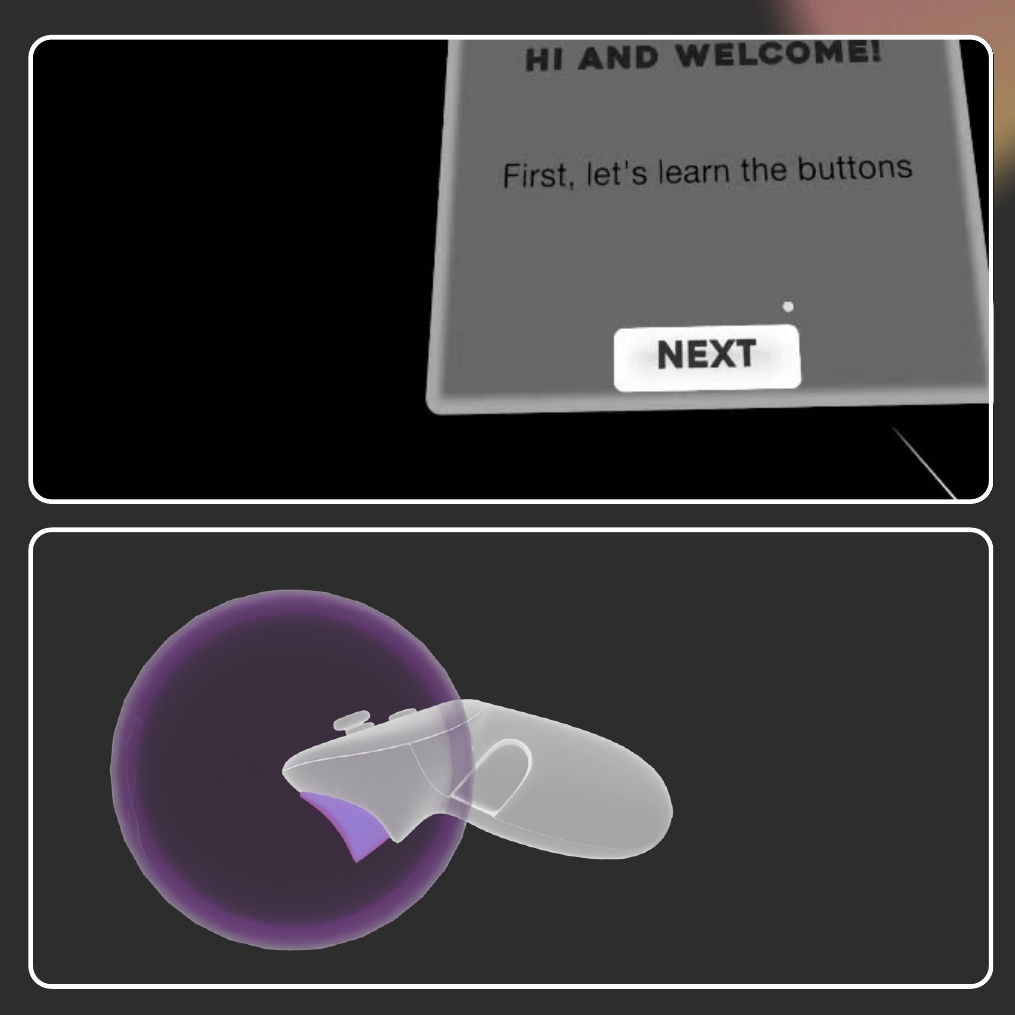
Luna is a local AI companion developed for the Expanded Realities study programme. Instead of a traditional chat interface, the project combines a character presence, voice conversation and spatial tools for image generation, 3D generation and mind-mapping inside mixed reality.
I developed the orb menu, mode switching, microphone interaction, visual feedback and user-facing Unity systems.
I worked on real-time WebSocket communication and the application flow between Quest, voice input and AI responses.
I also worked with the local Linux/Docker server environment, LLM deployment and the speech pipeline used by Luna.
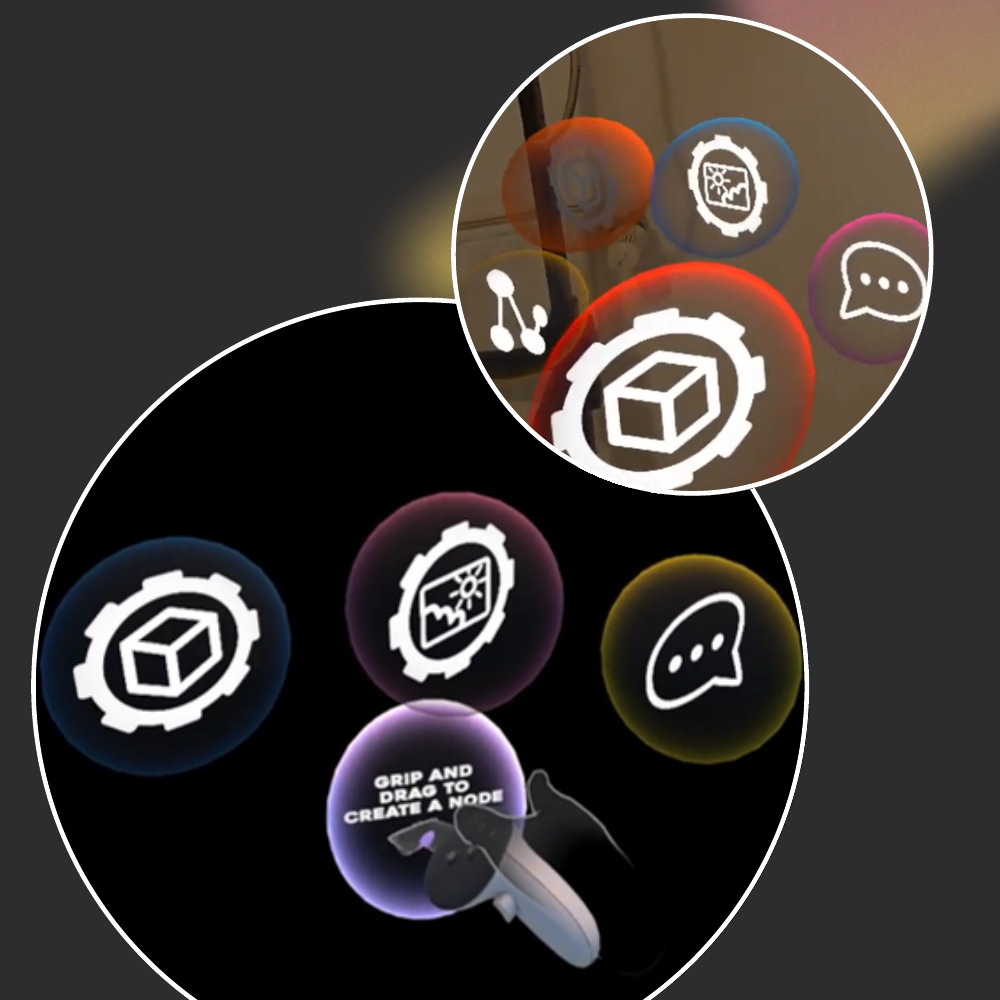
The orb interface gives access to conversation, image generation, 3D model generation and a spatial mind map. Using the same interaction pattern across all modes keeps the experience readable and consistent in-headset.
The menu follows the user and provides immediate visual state feedback. The onboarding flow introduces interaction, controls and Luna without relying on a conventional desktop-style tutorial.
The design was iterated to reduce menu clutter and make recording, mode selection and first-time use easier to understand.
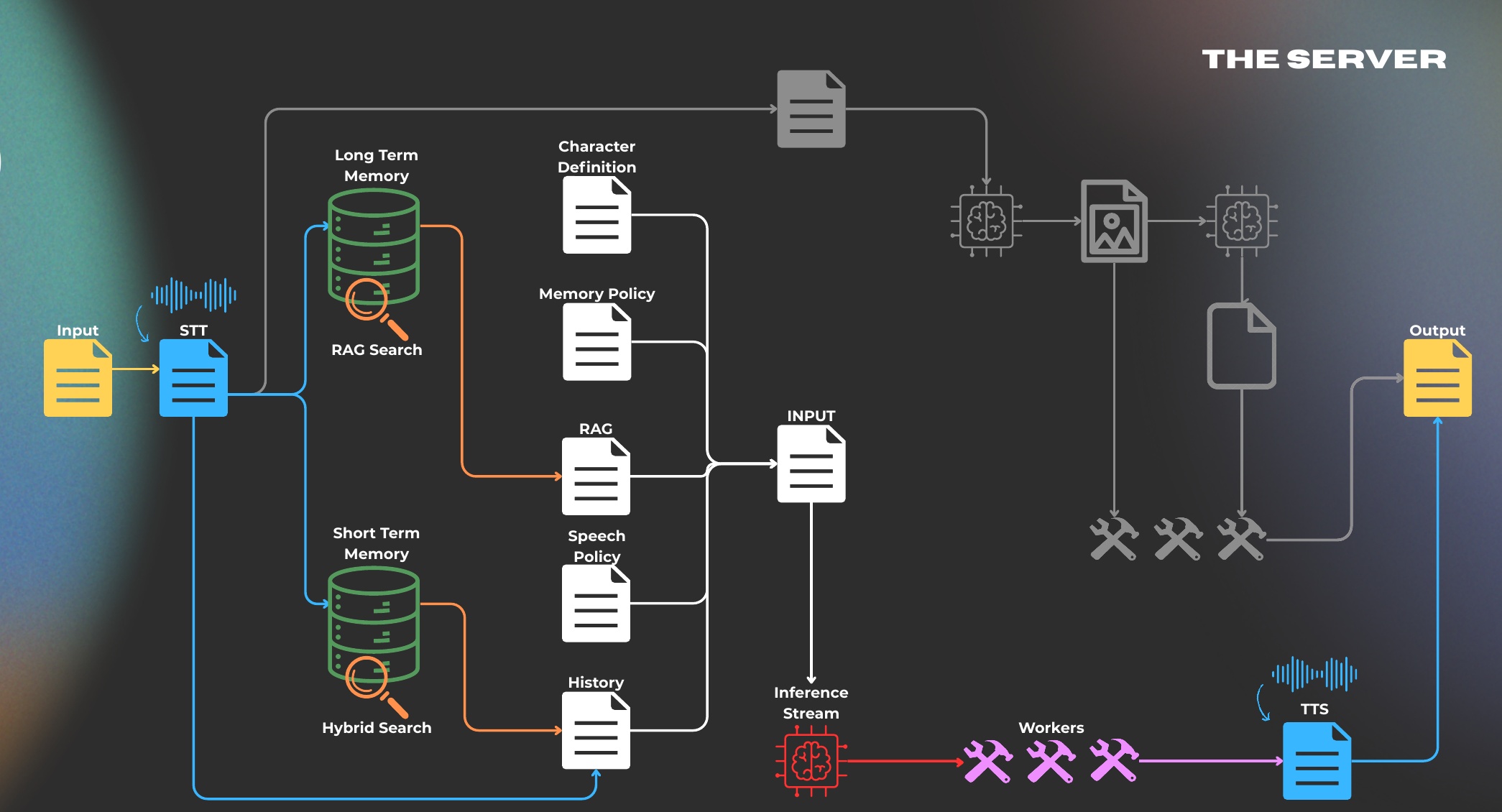
The backend combines speech-to-text, short- and long-term memory, RAG, LLM inference and text-to-speech. Separate generation workflows extend the system with image and 3D content while keeping the core architecture local and expandable.
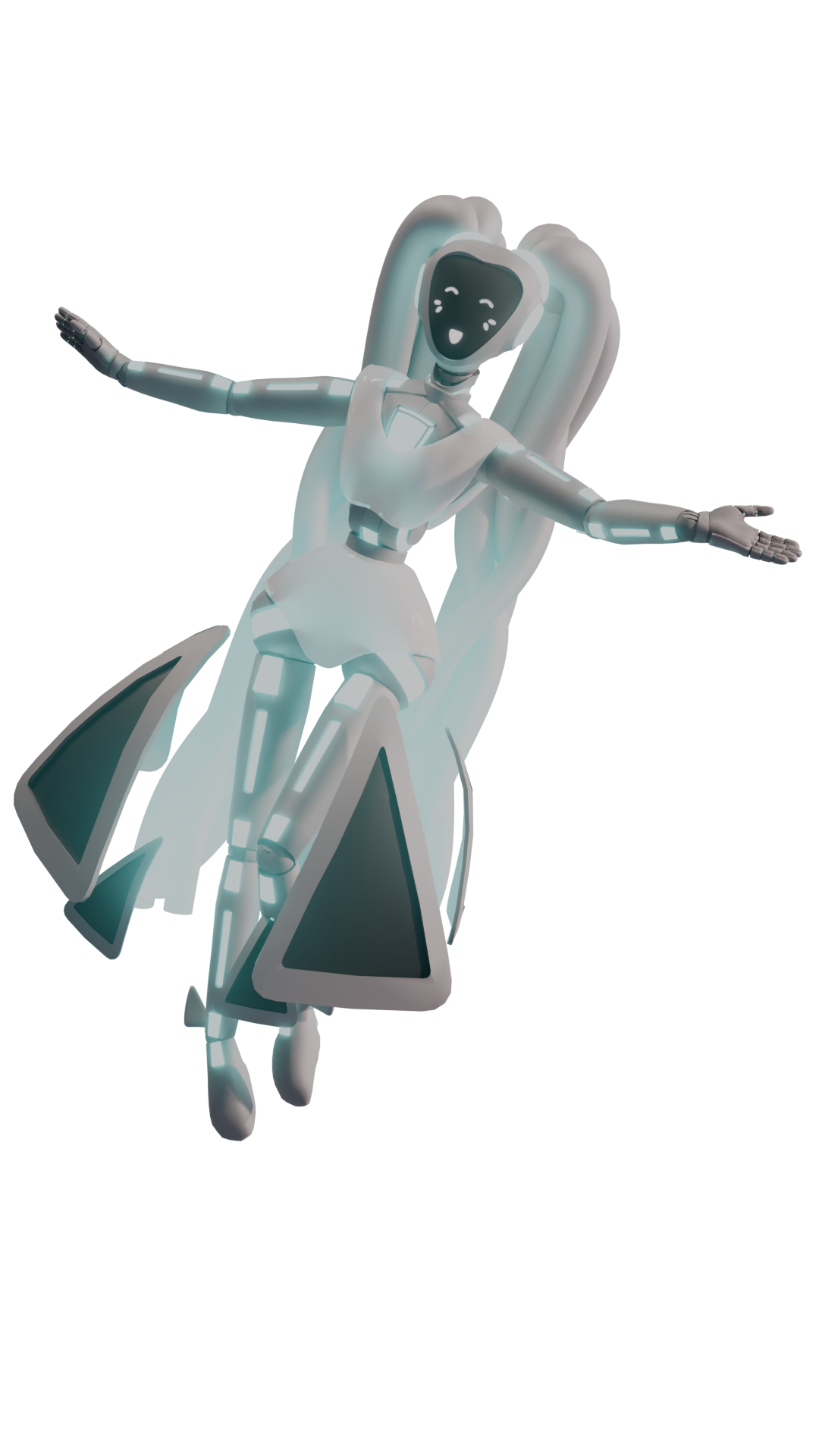
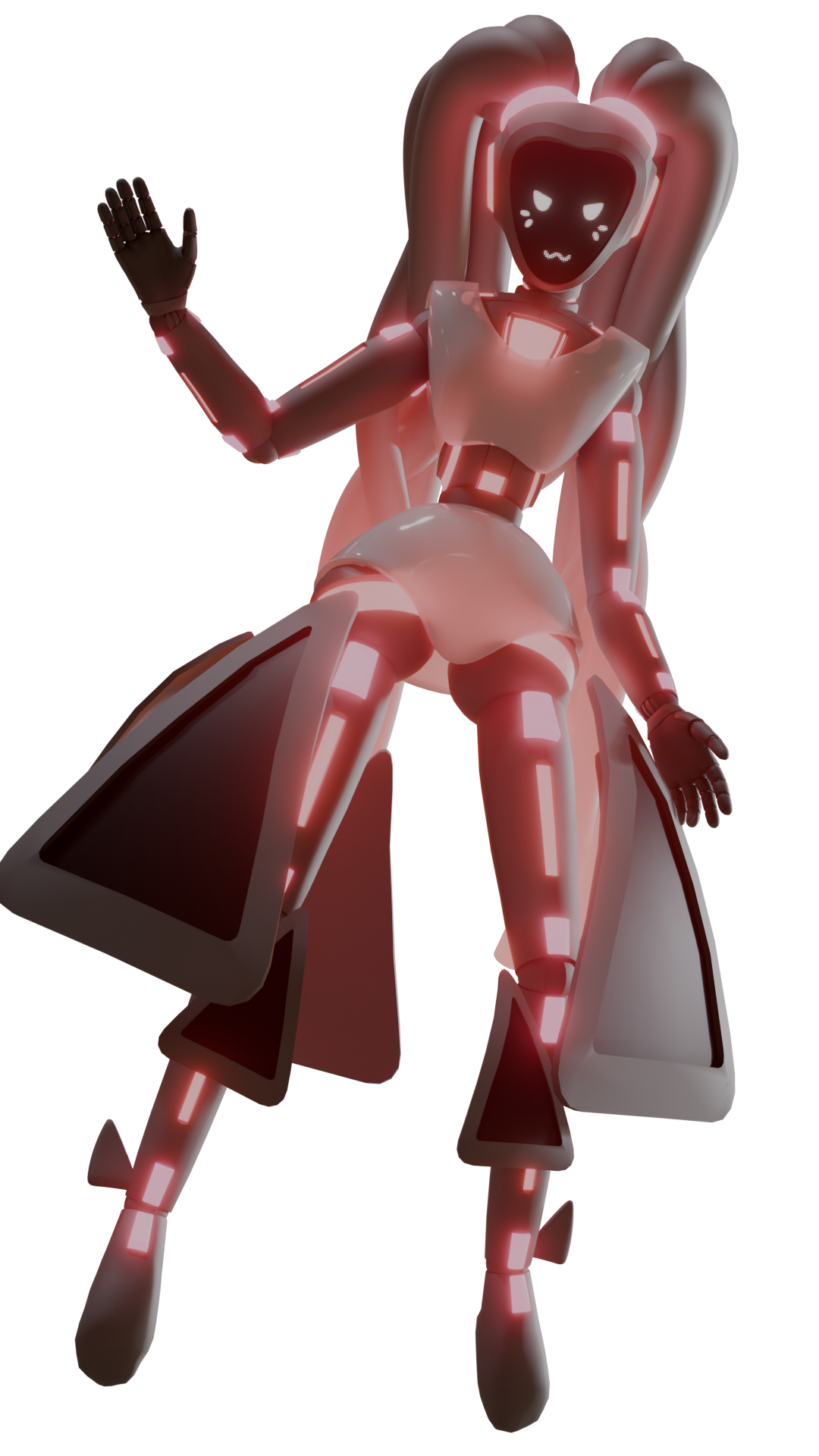
Luna uses facial expressions and color states to make feedback more immediate and to give the AI system a recognizable personality inside the experience.
The Lady of AVRD was a six-person team project. This case study focuses on the parts of the system and experience that I personally contributed to, while the project visuals represent the complete team result.